
What Are Medical Supply Carts and How Do You Choose the Right One?
In healthcare environments, efficiency isn’t optional—it’s critical. Every second matters, and even small delays can impact patient care. That’s why choosing the right medical supply carts is more important than many realize.
These carts aren’t just for storage. They directly affect how smoothly your team works, how quickly supplies are accessed, and how comfortable staff feel during long shifts. If you’re trying to decide which cart is right for your facility, this guide will help you cut through the noise and focus on what actually matters.
What Should You Look for in Medical Supply Carts?
What Features Actually Matter in Medical Supply Carts?
Short Answer:
The most important features include mobility, ergonomic adjustability, storage flexibility, durability, and compatibility with medical workflows.
Not all medical carts are created equal. Some are designed for basic storage, while others are built for high-demand clinical environments where speed and accessibility are critical. Mobility is one of the first things to consider—smooth-rolling casters and easy maneuverability can make a noticeable difference in fast-paced settings.
Ergonomics also play a major role. Adjustable height and user-friendly design help reduce strain, especially for staff working long hours. Storage flexibility matters just as much. Modular drawers, compartments, and accessories allow teams to organize supplies efficiently and access them without delays.
Durability is another factor you don’t want to overlook. Healthcare environments require equipment that can withstand constant use while maintaining performance and safety standards. Choosing a cart that aligns with your actual workflow—not just a generic solution—will make a measurable difference in day-to-day operations.
What Are the Top Types of Medical Supply Carts?
Short Answer:
Common types include medical procedure carts, medical computer carts, and mobile medical carts, each designed for specific healthcare tasks.
Different facilities—and even different departments—require different types of carts. Understanding these categories helps you avoid choosing a solution that doesn’t match your needs.
Medical procedure carts are typically used to store tools and supplies needed for specific treatments or procedures. These carts prioritize organization and quick access.
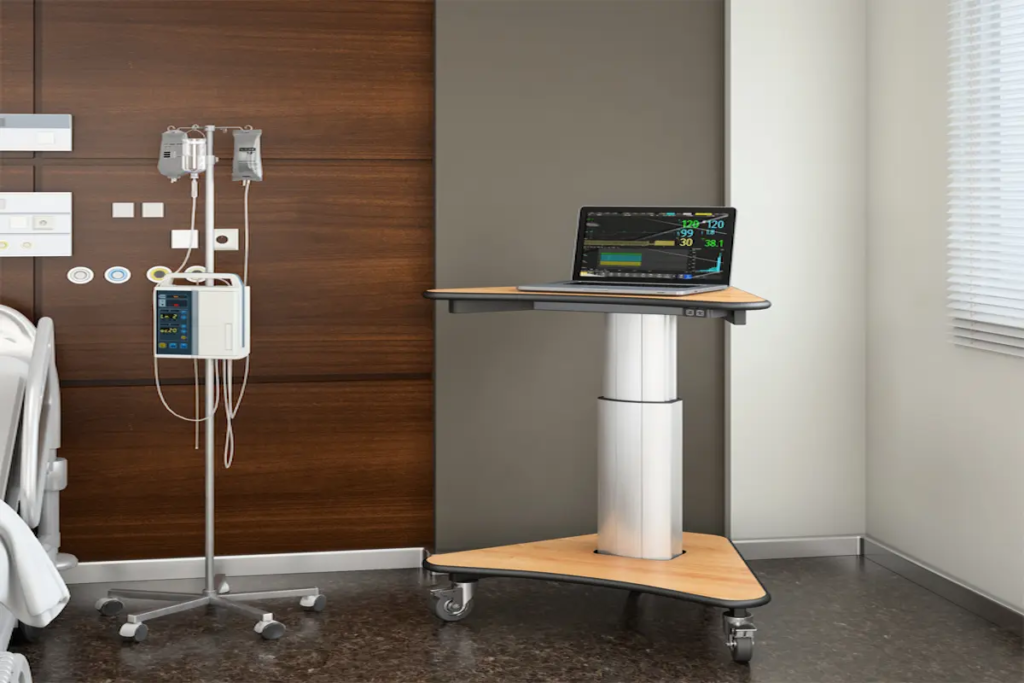
Medical computer carts are essential in modern healthcare settings where digital records are the norm. These carts allow staff to document patient information in real time, improving accuracy and efficiency. You can explore options here:
https://afcindustriespa.com/product-category/computer-carts/
Mobile medical carts are designed for flexibility. They move easily between rooms and departments, making them ideal for dynamic environments like hospitals and clinics. For a full range of options, visit:
https://afcindustriespa.com/product-category/medical-carts/
Choosing the right type depends on how your team works—not just what the cart looks like on paper.
How Do Ergonomics Impact Long Shifts?
Short Answer:
Ergonomic carts reduce fatigue, improve posture, and help maintain productivity during extended shifts.
Healthcare professionals often work long, demanding hours. Over time, poorly designed equipment can lead to fatigue, discomfort, and even injury. That’s where ergonomic design becomes essential—not optional.
Features like height adjustability, smooth movement, and intuitive layouts allow staff to work more naturally without unnecessary strain. This not only improves comfort but also helps maintain consistent performance throughout the day.
When staff don’t have to fight against their equipment, they can focus on what matters most—patient care. Investing in ergonomic carts is ultimately an investment in both your team and your overall operational efficiency.
How Do You Choose the Right Medical Supply Cart for Your Facility?
What Factors Should Guide Your Decision?
Short Answer:
Key factors include workflow requirements, available space, frequency of use, and long-term durability.
Choosing the right medical supply carts isn’t about picking the most advanced option—it’s about finding the right fit for your environment. Start by evaluating how the cart will be used on a daily basis. Is it stationary or constantly moving? Will multiple staff members use it?
Space is another important consideration. In smaller rooms or tight hallways, compact and highly mobile carts are often the better choice. For larger facilities, you may prioritize storage capacity and specialized features.
Durability should also be part of your decision-making process. A cart that performs well over time will save costs and reduce the need for replacements. When you align your choice with real-world usage, you avoid common mistakes and make a more confident investment.
Should You Choose Standard or Custom Medical Carts?
Short Answer:
Standard carts are cost-effective, while custom carts provide tailored solutions for specialized workflows.
For many facilities, standard carts are enough to meet everyday needs. They’re readily available, cost-effective, and suitable for general use. However, not every healthcare environment operates the same way.
If your workflow involves specialized equipment, unique processes, or specific layout requirements, custom carts can provide a significant advantage. They allow you to design a solution that fits seamlessly into your operations.
If you’re considering customization, you can explore tailored solutions here:
https://afcindustriespa.com/product-category/custom-products/
The key is to balance budget with functionality. In some cases, a standard cart works perfectly. In others, customization can improve efficiency in ways that justify the investment.
How Are Medical Supply Carts Used in Real-World Scenarios?
Where Are Medical Supply Carts Most Commonly Used?
Short Answer:
They are widely used in hospitals, clinics, laboratories, and specialized care environments.
From patient rooms to operating areas, medical supply carts are a constant presence in healthcare settings. In hospitals, they support everything from bedside care to emergency response. In clinics, they help streamline workflows and improve organization.
Laboratories use carts to transport sensitive equipment and samples, while specialized facilities rely on them for highly specific tasks. Their versatility makes them one of the most essential tools in modern healthcare environments.
How Do Medical Carts Improve Workflow Efficiency?
Short Answer:
They reduce unnecessary movement, organize supplies, and make critical tools more accessible.
Efficiency in healthcare often comes down to minimizing wasted time and effort. Well-designed carts bring supplies directly to where they’re needed, eliminating unnecessary trips back and forth.
They also improve organization, ensuring that tools and materials are always within reach. This reduces delays and helps staff respond more quickly to patient needs.
Over time, these small improvements add up. Faster workflows, fewer interruptions, and better organization all contribute to a smoother, more effective operation.
Final Thoughts: Making the Right Choice for Your Facility
Choosing the right medical supply carts doesn’t have to be overwhelming. When you focus on your workflow, your team’s needs, and the real-world environment you’re working in, the decision becomes much clearer.
The goal isn’t just to buy a cart—it’s to improve how your facility operates every day. Whether you need a simple solution or a customized system, the right choice will support your team, enhance efficiency, and ultimately improve patient care.