
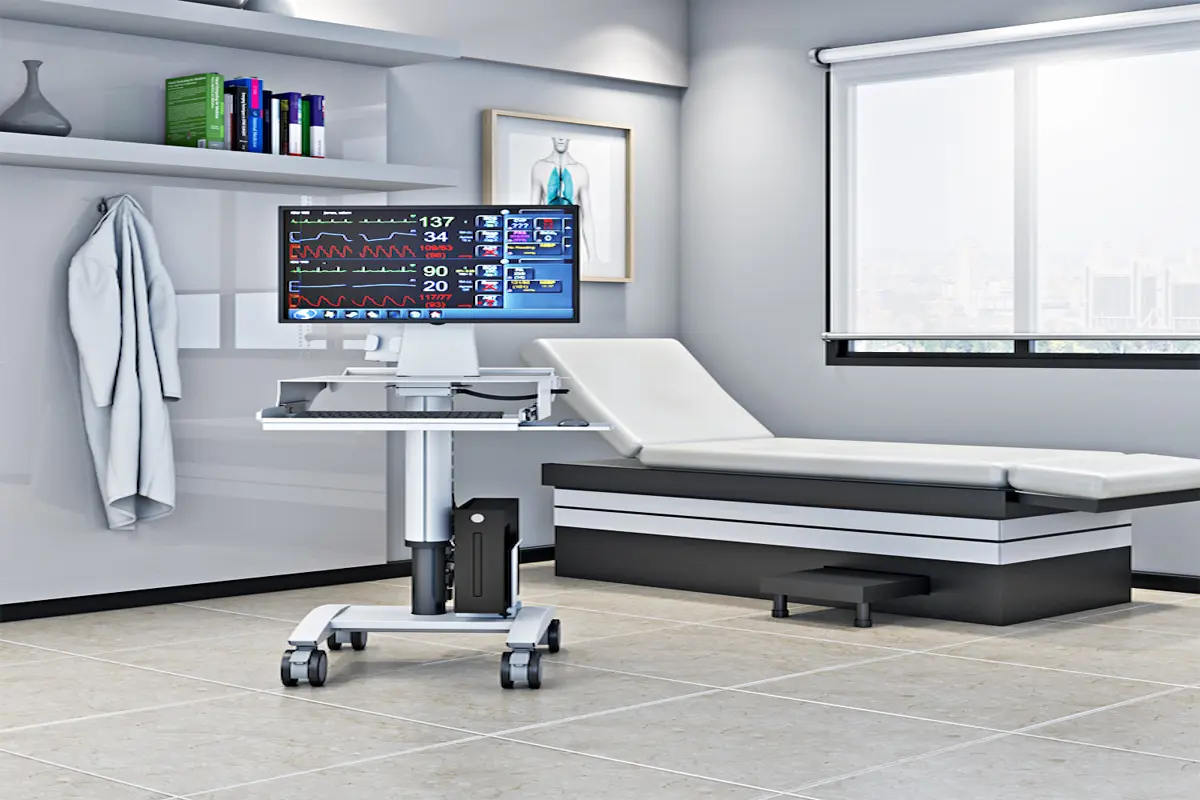
Ergonomic equipment reduces workplace injuries while boosting productivity across Pennsylvania businesses. In fact, the state reported over 162,000 work-related injuries in 2023, with roughly 25% caused by overexertion alone. These numbers highlight why investing in proper ergonomic solutions matters now more than ever.
This guide covers essential ergonomic office equipment, ergonomic workstation equipment, and industrial ergonomic equipment for 2026 buyers. Whether you manage a manufacturing facility in Berwick or run an office in Lancaster, you’ll find practical, cost effective solutions here. Business owners, facility managers, and safety coordinators throughout Pennsylvania will benefit from this resource.
Direct Answer: Ergonomic equipment includes adjustable chairs with lumbar support, standing desks, ergonomic keyboards, monitor arms, anti-fatigue mats, and specialized industrial tools. These items are designed to fit human body mechanics and reduce strain during daily tasks.
What You’ll Gain:
- Clear strategies to reduce workplace injuries
- Productivity improvement through better equipment
- Compliance guidance for Pennsylvania businesses
- Cost effective solutions for any budget
- Local sourcing options near Berwick and beyond
Understanding Ergonomic Equipment Fundamentals
Ergonomic equipment refers to tools and furniture engineered to support proper posture and natural movement. For Pennsylvania’s manufacturing and office sectors, this equipment plays a critical role in protecting workers from musculoskeletal disorders.
Core Ergonomic Principles
Human factors engineering focuses on how people interact with their workspace. When equipment matches body types and movement patterns, employees experience less pain and greater comfort. Additionally, proper ergonomic designs support the natural curve of the spine, keeping muscles relaxed throughout the workday.
The connection between well-designed equipment and musculoskeletal health is clear. Workers who sit in an ergonomic office chair with adjustable lumbar support report fewer back problems. Similarly, those using a split keyboard or ergonomic keyboard experience reduced wrist strain during typing.
Equipment Categories and Functions
Ergonomic desk equipment falls into several categories. Office furniture includes chairs, desks, and accessories like monitor arms. Workstation equipment covers modular surfaces and task lighting. Industrial tools range from anti-fatigue mats to powered lifting assists.
Selecting the right equipment directly impacts injury prevention. For example, studies show benefit-to-cost ratios between 5:1 and 84:1 for manufacturing ergonomic interventions. Therefore, understanding these categories helps you make smarter purchasing decisions.
Essential Ergonomic Equipment by Workplace Type
Now that you understand the fundamentals, let’s explore specific equipment for different Pennsylvania workplaces.
Office Ergonomic Equipment
Most people who spend hours at a computer need proper ergonomic support. An ergonomic chair with seat depth adjustment and adjustable arms keeps the body aligned. Ideally, feet flat on the ground and eyes at screen level create the optimal setup.
Standing desks have become essential for those seeking movement throughout the day. Look for desks that adjust from seated height (around 28-30 inches) to standing height (45-48 inches). Pair these with monitor arms to position your laptop screen or monitor at arm’s length and eye level.
Furthermore, an ergonomic keyboard and mouse reduce strain on wrists during typing. A split keyboard positions hands at shoulder width, while vertical mice prevent arm rotation.
Workstation Ergonomic Equipment
For shared workspaces and administrative areas, modular equipment offers flexibility. Adjustable work surfaces accommodate various body types and tasks. Task lighting with color temperature control reduces eye fatigue and helps workers avoid eye strain.
Pennsylvania’s tech and administrative sectors benefit from ergonomic workstation equipment that adapts to hybrid work arrangements. Cable management systems and integrated storage also reduce clutter, promoting better posture and well being.
Industrial Ergonomic Equipment
Manufacturing facilities across Pennsylvania need specialized industrial ergonomic equipment. Anti-fatigue mats support workers who stand for extended periods. Lift tables and powered assists reduce bending and twisting during material handling.
Workers should also wear supportive shoes to complement these solutions. Given that Pennsylvania manufacturing reported over 22,000 injuries in 2023, implementing these tools isn’t optional—it’s essential for safety.
For a wide selection of industrial solutions, Pennsylvania businesses can explore options tailored to their specific needs.
Selection and Implementation Process
Choosing equipment is only half the battle. Proper implementation ensures you maximize your investment.
Workplace Assessment and Planning
Before purchasing, conduct a thorough assessment of your workspace. This process identifies risk areas and helps prioritize equipment purchases.
- Evaluate your current setup and document existing equipment
- Identify problem areas where employees report pain or discomfort
- Measure workspace dimensions for proper equipment sizing
- Document employee needs through surveys and observation
- Create an implementation timeline with realistic milestones
Equipment Comparison and Selection Criteria
When comparing options, consider these key factors:
|
Criterion |
Office Equipment |
Industrial Equipment |
|
Adjustability |
Seat height, armrests, lumbar |
Height range, tool grip, position |
|
Durability |
5-10 year warranty typical |
Heavy-duty construction required |
|
Price Range |
$200-$1,500 per workstation |
$500-$5,000+ per unit |
|
Compliance |
BIFMA certified |
OSHA/NIOSH guidelines |
This comparison helps you allocate budget appropriately. For expert guidance on selecting the right equipment, contact local specialists who understand Pennsylvania’s workplace requirements.
Common Challenges and Solutions
Pennsylvania businesses face specific obstacles when implementing ergonomic equipment. Here’s how to overcome them.
Budget Constraints and ROI Concerns
Many businesses worry about upfront costs. However, research shows annualized savings of $111 to $1,556 per employee after implementation. Consider phased rollouts, starting with high-risk areas first.
Employee Resistance to New Equipment
Change can feel uncomfortable. Consequently, involve employees in equipment selection and provide thorough training. Gradual transition periods also help workers adapt without disruption.
Space Limitations in Older Pennsylvania Facilities
Older buildings in Berwick and surrounding areas often have awkward layouts. Compact, modular equipment solves this problem. Mobile workstations and fold-away surfaces maximize limited floor space effectively.
Conclusion and Next Steps
Investing in ergonomic equipment protects your Pennsylvania workforce while improving productivity. The data supports this: proper ergonomic interventions deliver significant returns and reduce costly workplace injuries.
Your Next Steps:
- Conduct a workplace assessment this month
- Prioritize high-impact equipment based on injury data
- Explore OEM solutions from local suppliers
- Plan your implementation timeline for Q2 2026
Related topics worth exploring include ongoing maintenance schedules, employee training programs, and staying current with compliance updates.
Frequently Asked Questions
What ergonomic equipment should I buy first if my budget is limited? Start with ergonomic chairs featuring adjustable lumbar support, as most people spend hours sitting. This single investment delivers the highest impact for reducing back pain and improving posture.
How much can Pennsylvania businesses save with ergonomic equipment? Studies show benefit-to-cost ratios between 5:1 and 84:1 in manufacturing settings. Annualized savings range from $111 to $1,556 per employee, depending on implementation.
Does OSHA require specific ergonomic equipment? While OSHA lacks a dedicated ergonomics standard, the General Duty Clause requires employers to provide safe workplaces. NIOSH guidelines offer specific recommendations for equipment selection.
How do I choose equipment for employees of different heights? Look for chairs with seat height adjustment, desks with wide height ranges, and monitor arms with flexible positioning. Quality ergonomic equipment accommodates various body types naturally.
Where can I find ergonomic equipment suppliers near Berwick, Pennsylvania? Local providers like AFC Industries serve the Berwick area with ergonomic office equipment and industrial solutions tailored to Pennsylvania businesses.
Are exoskeletons practical for Pennsylvania manufacturing facilities? Emerging technologies like exoskeletons show promise for heavy lifting tasks. However, most facilities benefit more from lift tables and powered assists as immediate, cost effective solutions.
What certifications should I look for when buying ergonomic furniture? BIFMA certification indicates office furniture meets durability and safety standards. For industrial equipment, look for ANSI compliance and OSHA-recommended specifications.