
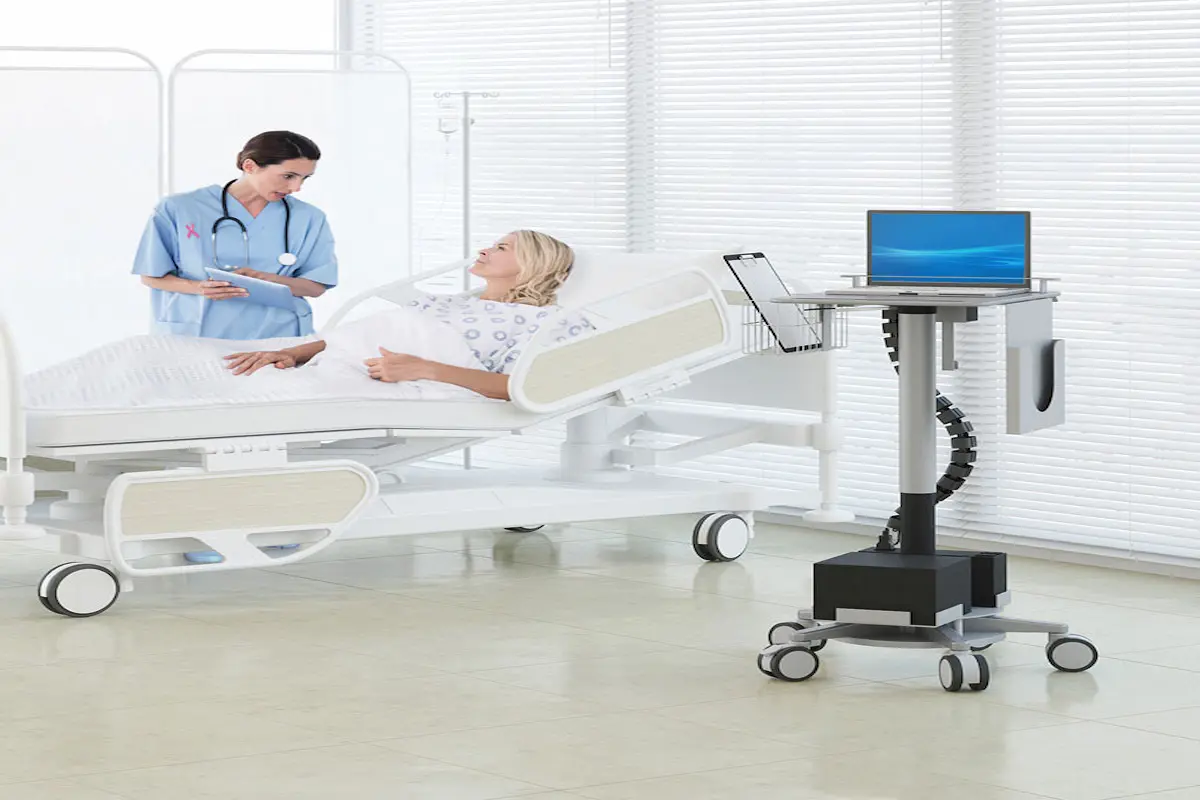
Medical carts are mobile storage and transport units that bring supplies, medications, and equipment directly to the point of care. In today’s fast-paced healthcare environment, these carts play a critical role in streamlining workflow across hospitals, clinics, and long-term care facilities.
This guide covers the major types of medical carts—including medical procedure carts, medical computer carts, mobile medical carts, and medical supply carts. It’s written for healthcare administrators, nurses, facility managers, and procurement specialists in Pennsylvania and beyond who want to improve efficiency without sacrificing patient care quality.
Here’s the direct answer: Medical carts streamline patient care by providing mobile access to supplies, medications, and equipment at the point of care. They reduce staff travel, improve organization, and enhance safety.
By the end of this article, you’ll understand:
- How medical carts reduce travel time and boost efficiency
- The key types of carts and their workflow benefits
- How to select and implement carts for maximum impact
- Solutions to common implementation challenges
- Metrics for measuring success in your facility
Understanding Medical Carts and Workflow Impact
Medical carts are purpose-built mobile solutions designed for healthcare environments. They allow staff to store and transport medical equipment, medications, and supplies exactly where they’re needed. As a result, clinicians spend less time walking to central stations and more time with patients.
Core Components of Medical Carts
Every reliable healthcare cart includes essential features such as:
- Wheels: High-quality casters for smooth, quiet movement in tight spaces
- Locking mechanisms: Secure access to medications and controlled substances
- Storage compartments: Drawers, bins, and shelves with flexible drawer configurations
- Ergonomic design: Adjustable height and lightweight construction to reduce strain
Materials matter too. Many modern carts use steel frames with antimicrobial coatings. In fact, about 45% of new medical carts in 2024 featured antimicrobial surfaces to support infection control.
Workflow Integration Principles
When carts are positioned at the point of care, staff movement decreases significantly. Studies show nurses can save 15–20 minutes per shift simply by reducing trips to supply rooms. Additionally, standardized organization within carts improves inventory management and reduces stock-outs.
This foundational understanding sets the stage for exploring the specific types of carts available.
Types of Medical Carts for Enhanced Patient Care
Different clinical settings require different cart solutions. Let’s break down the main categories.
Medical Procedure Carts
Medical procedure carts include crash carts, anesthesia carts, and treatment carts. Crash carts, for example, hold emergency medications like epinephrine and airway equipment for code blue events. Similarly, anesthesia carts store controlled substances with secure access controls for surgical settings.
These carts improve emergency response times because everything is organized and ready. Staff don’t have to search for supplies during critical moments.
Medical Computer Carts
Medical computer carts—also called medical PC carts or mobile workstations—carry EHR terminals, barcode scanners, and sometimes printers. They enable bedside documentation, which reduces charting errors by up to 30%.
Moreover, powered models with hot-swap batteries can last 12+ hours, keeping nurses connected throughout their shifts. Hospitals like Montrose Memorial have reported fewer tech issues after switching to swappable battery systems.
Mobile Medical Carts and Supply Carts
Mobile medical carts and medical supply carts handle general supplies—bandages, gloves, specimen containers, and more. Their flexibility makes them ideal for multiple departments with shifting demands.
About 38% of cart orders in 2024 requested modular designs. This trend reflects the need to accommodate diverse workflows across different facility areas.
Implementing Medical Carts for Maximum Workflow Efficiency
Strategic selection and deployment determine whether your cart investment pays off.
Assessment and Selection Process
Follow these steps to choose the right carts:
- Workflow analysis: Map current processes and identify where delays occur
- Space assessment: Measure corridors and rooms to ensure carts fit
- Staff input collection: Ask nurses and aides about their daily needs
- Budget planning: Consider total cost of ownership, including maintenance
- Vendor evaluation: Review warranties, service support, and customization options
Cart Features Comparison
|
Feature |
Basic Supply Cart |
Powered Workstation |
|
Security |
Manual locks |
Electronic locks with audit logs |
|
Storage |
Fixed drawers |
Modular drawer configurations |
|
Mobility |
Standard casters |
Swivel hybrid wheels |
|
Technology |
None |
EHR integration, battery system |
|
Maintenance |
Low |
Moderate (battery replacement) |
When comparing options, prioritize features that address your specific workflow challenges.
Integration with Existing Systems
Training is essential. Staff need hands-on practice with new equipment to feel confident. Additionally, ensure your IT infrastructure supports any technology-integrated carts. Pilot programs in select units can smooth the transition before facility-wide rollout.
Common Implementation Challenges and Solutions
Staff Resistance to New Equipment
Change can be difficult. However, involving staff early and showing data on time savings builds buy-in. Super-user models also help—train champions who support their peers.
Space and Storage Constraints
Narrow hallways are common in older facilities. Choose compact carts with a lightweight design that maneuvers easily. Designate parking zones to keep paths clear.
Budget and ROI Concerns
Powered carts cost more upfront, but the returns are significant. A 2025 Imprivata report found hospitals save an average of $1.1 million annually through mobile device efficiency gains. Most facilities see payback within 1–3 years.
Maintenance and Durability Issues
Preventive maintenance schedules extend cart life. Partner with vendors who offer strong service agreements. AFC Industries PA, based in Berwick, Pennsylvania, provides reliable products with ongoing support. You can explore their medical cart options to find solutions built to withstand daily demands.
Measuring Success and Continuous Improvement
Track these metrics to gauge impact:
- Minutes saved per nurse per shift
- Reduction in medication errors
- Stock-out rates and expired supply counts
- Staff satisfaction scores
Next steps: Conduct a workflow assessment, consult with AFC Industries PA for vendor guidance, and launch a pilot program in one unit.
Related topics to explore include infection control protocols, ergonomic cart accessories, and technology updates for medical equipment integration.
Frequently Asked Questions
What types of medical carts improve workflow most?
Mobile medical carts and medical computer carts deliver the biggest gains in most settings. They bring supplies and documentation tools to the patient’s side, cutting travel time and errors.
How do mobile medical carts reduce nursing time?
By positioning everything at the point of care, nurses spend less time walking. Research shows reductions of 15–22 minutes per shift in charting and supply retrieval alone.
What security features are essential for medical supply carts?
Look for electronic locks, audit logs, and controlled substance compartments. Facilities using electronic access meet FDA storage guidelines 89% of the time versus 54% with keyed locks only.
How long do quality medical carts typically last?
With proper maintenance, durable carts last 5–10 years. Batteries and casters may need replacement sooner. AFC Industries PA offers carts made from steel with quality construction designed for longevity.
What’s the ROI timeline for medical cart investments?
Most facilities recover costs within 1–3 years through labor savings, reduced errors, and better inventory management. Powered carts have higher upfront costs but deliver stronger long-term returns.
Where can I find medical carts manufactured in the USA?
AFC Industries PA, located in Berwick, Pennsylvania, manufactures medical carts in the USA. Their team offers a variety of products designed to meet healthcare facility requirements. Learn more about their company.
Looking for reliable medical carts to improve your facility’s workflow? AFC Industries PA offers medical procedure carts, medical computer carts, and supply carts with customizable options. Browse their products or request a consultation today.